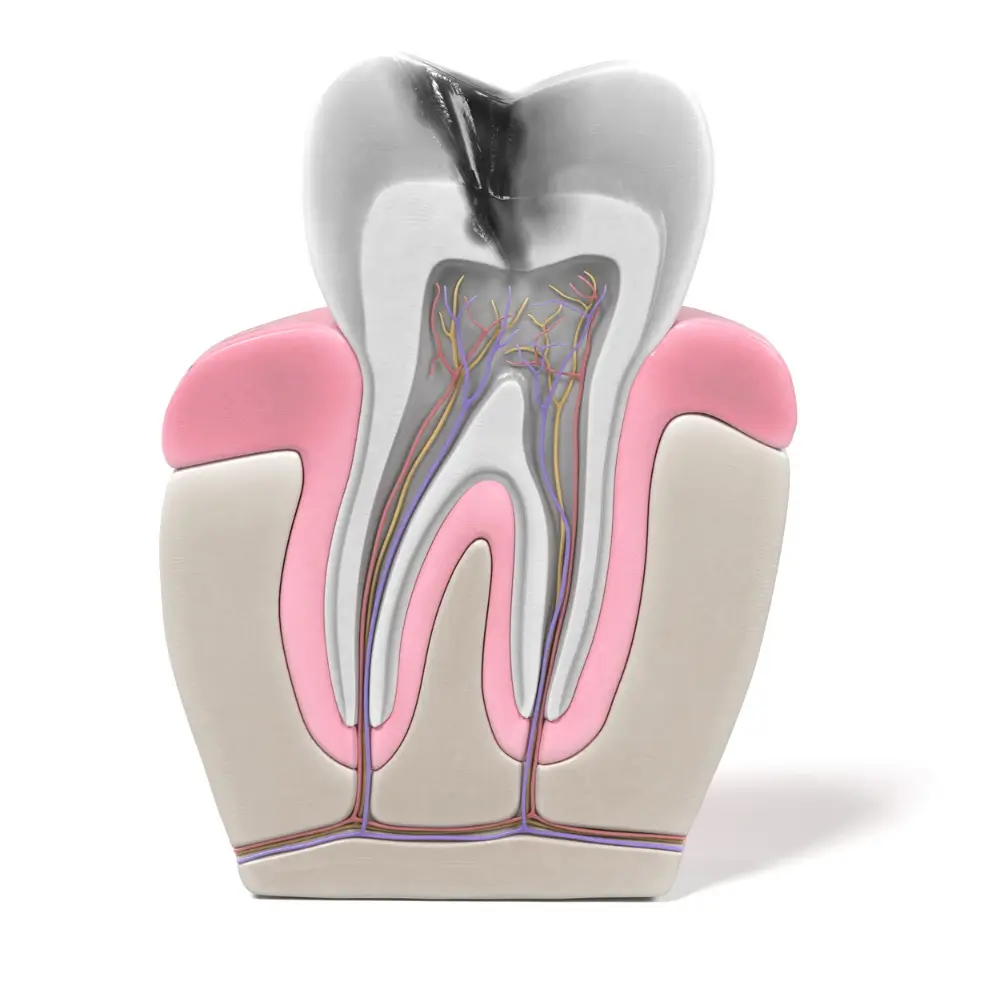
Persistent tooth pain, sensitivity, or infection can impact your comfort and oral health. Root canal therapy in Midtown Manhattan, NY offers an effective, advanced solution to eliminate infection and preserve your natural tooth. At The Dental Parlour, patients receive precise, patient-centered care designed to restore long-term dental health. Root canal therapy is an advanced dental treatment designed to remove infection or inflammation from the inner portion of a tooth, where the pulp and nerve tissues are located. Damage to the pulp can occur due to deep decay, cracks, trauma, or repeated dental procedures. During treatment, the infected tissue is carefully removed, the root canals are thoroughly cleaned and disinfected, and the tooth is sealed to prevent reinfection. Contrary to common misconceptions, modern root canal treatment is typically comfortable and efficient. With contemporary anesthetic techniques, advanced technology, and options such as sedation dentistry, most patients experience minimal discomfort while achieving significant relief from pain. Key benefits of root canal therapy include:Understanding Root Canal Therapy
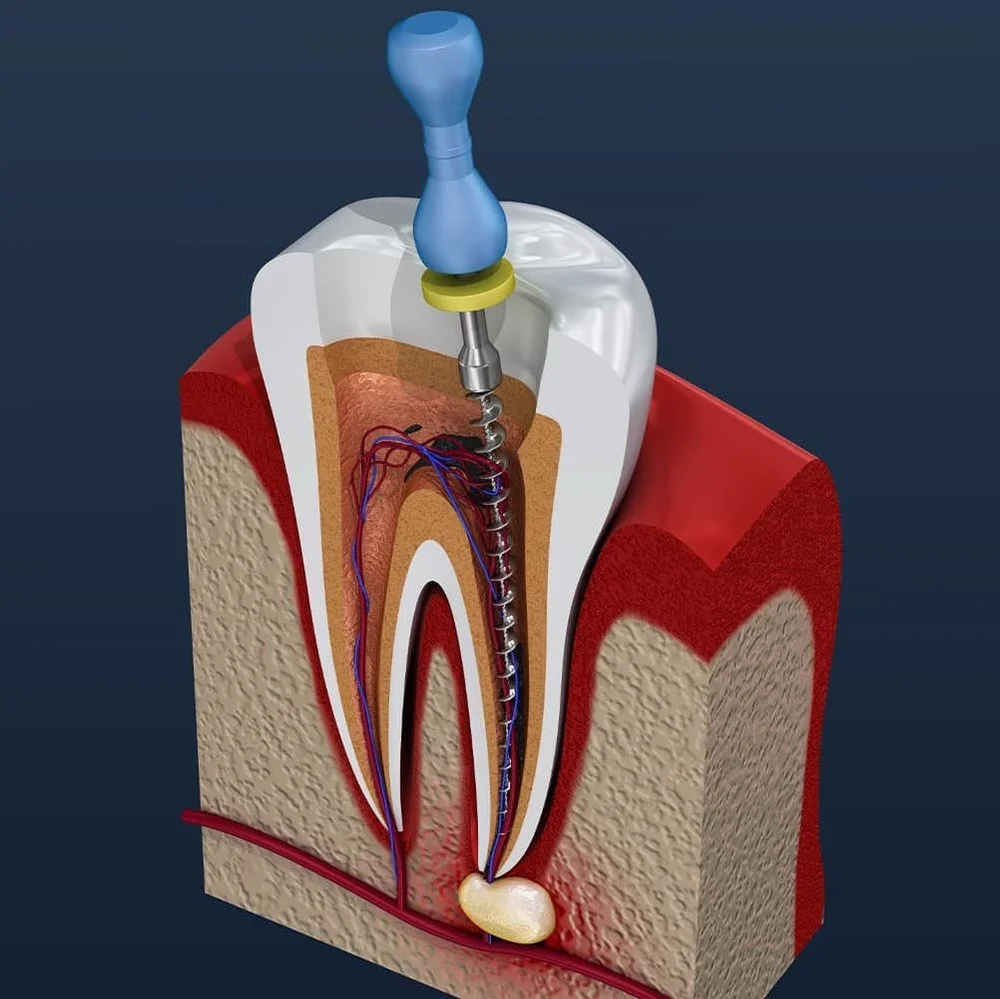
Recognizing the signs of pulp infection is essential for early intervention. Patients should seek professional evaluation if they experience any of the following symptoms: Delaying treatment may allow the infection to progress, potentially leading to more complex dental issues. Prompt evaluation and root canal therapy in Midtown Manhattan, NY can significantly reduce the risk of complications. Choosing root canal therapy in Midtown Manhattan provides convenient access to advanced dental care, experienced professionals, and modern diagnostic technology. Patients benefit from timely treatment, efficient scheduling, and personalized care designed to address their specific dental needs. At The Dental Parlour, each procedure is performed with precision and a strong focus on comfort, ensuring high clinical standards and a positive patient experience. A root canal procedure typically involves several carefully structured steps: Digital imaging and clinical assessment determine the extent of infection. This step allows the dentist to develop an accurate and personalized treatment plan. Targeted anesthesia ensures patient comfort throughout the procedure. Modern anesthetic techniques help minimize discomfort and anxiety during treatment. The pulp is extracted, and the canals are cleaned and shaped. This process eliminates bacteria and prevents the spread of infection within the tooth. Biocompatible materials are used to seal the canals and prevent reinfection. Proper sealing helps protect the tooth from future bacterial invasion. A crown or filling is placed to restore the tooth’s structural integrity and function. This final step strengthens the tooth and supports long-term durability, often using porcelain crowns or natural-looking tooth-colored fillings for optimal aesthetics and strength. Most patients resume normal activities shortly after treatment, with minimal post-procedural discomfort. With appropriate care, a tooth treated with root canal therapy can remain functional for many years. Preventive services such as dental sealants can also support long-term oral health and reduce the risk of future decay. The cost of root canal therapy in Midtown Manhattan varies based on factors such as the complexity of the case, the affected tooth, and the type of restoration required. In many cases, dental insurance covers a substantial portion of the procedure, making it a cost-effective alternative to tooth extraction and replacement. A professional consultation provides clarity regarding treatment options, estimated costs, and available payment arrangements, enabling patients to make informed decisions about their oral health. Prompt treatment is essential when addressing dental infection or persistent tooth pain. If you suspect the need for root canal therapy in Midtown Manhattan, NY, early evaluation can help preserve your natural tooth and prevent complications. Patients can visit The Dental Parlour at 434 E 57th Street, New York, NY 10022, conveniently located in Midtown Manhattan. The clinic is open Monday through Thursday from 9:00 AM to 6:00 PM and is closed on Fridays, Saturdays, and Sundays. Schedule a consultation to receive expert evaluation and personalized treatment planning. Contact the Dental Parlour today to book an appointment and take the next step toward lasting oral health and comfort.Common Indicators for Root Canal Treatment
Advantages of Choosing Root Canal Therapy in Midtown Manhattan
The Root Canal Procedure: What to Expect
Comprehensive Evaluation
Local Anesthesia
Removal of Infected Tissue
Sealing the Canals
Final Restoration
Cost and Insurance Considerations
Root Canal Care in Midtown Manhattan
Most root canal procedures take about 60 to 90 minutes, though more complex cases may require two visits to complete treatment thoroughly.
Root canal therapy is highly successful, but reinfection can occur in rare cases. If this happens, retreatment or other dental procedures may be recommended to save the tooth.
Most patients can resume normal activities after treatment, especially if only local anesthesia was used. Patients who receive sedation may need time to recover before driving.
Maintain good oral hygiene, avoid hard foods on the treated tooth until fully restored, and attend regular dental checkups to protect the tooth.
In some cases, tooth extraction may be an option, but preserving the natural tooth is usually preferred to maintain proper function and avoid more extensive restorative treatments.
